
What Is Separation Anxiety? Understanding the Difference Between Normal Worries and When to Seek Help
A Compassionate Guide for Parents Supporting Children Through Goodbyes, School Drop-Offs, and Growing Independence
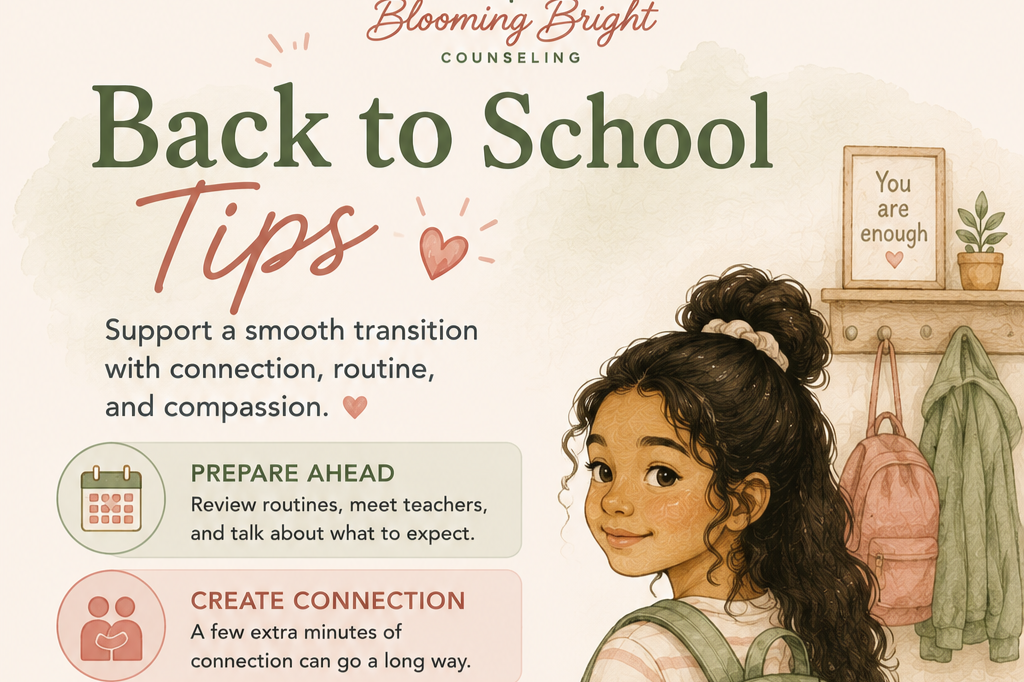
Back-to-School Tips for Neurodivergent Kids, Teens, and Families
A Gentle, Brain-Friendly Guide to Starting the School Year with Confidence
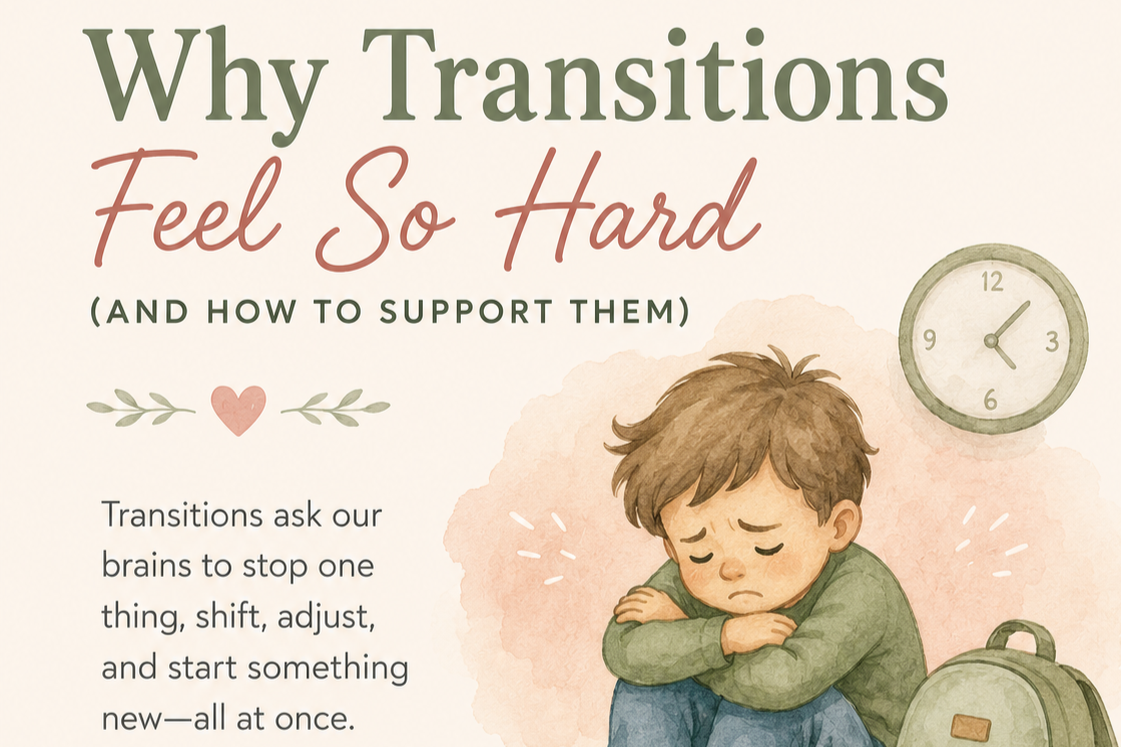
Why Transitions Feel So Hard (and How to Support Them)
Understanding the Brain, the Nervous System, and Practical Strategies That Help
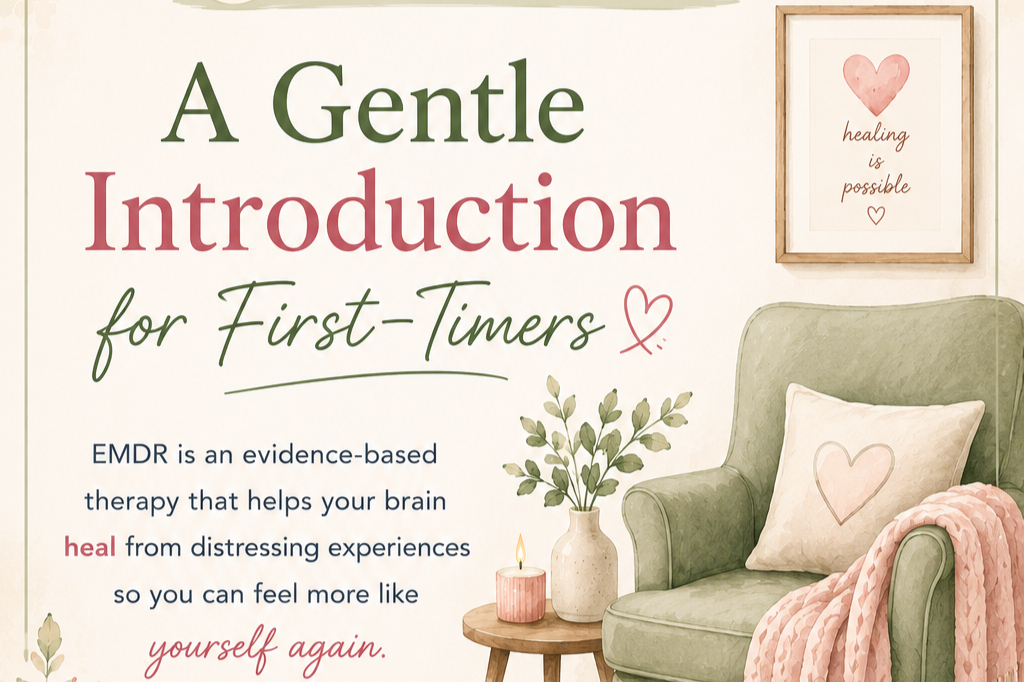
What Is EMDR Therapy? A Gentle Introduction for First-Timers
One of the biggest misconceptions about EMDR is that you'll be asked to immediately revisit painful memories.
In reality, EMDR begins with preparation, safety, and resourcing.
Before processing trauma, we build skills that help your nervous system feel supported and grounded.
🌿 Healing is not about forcing your way through pain. It's about creating enough safety for healing to happen.
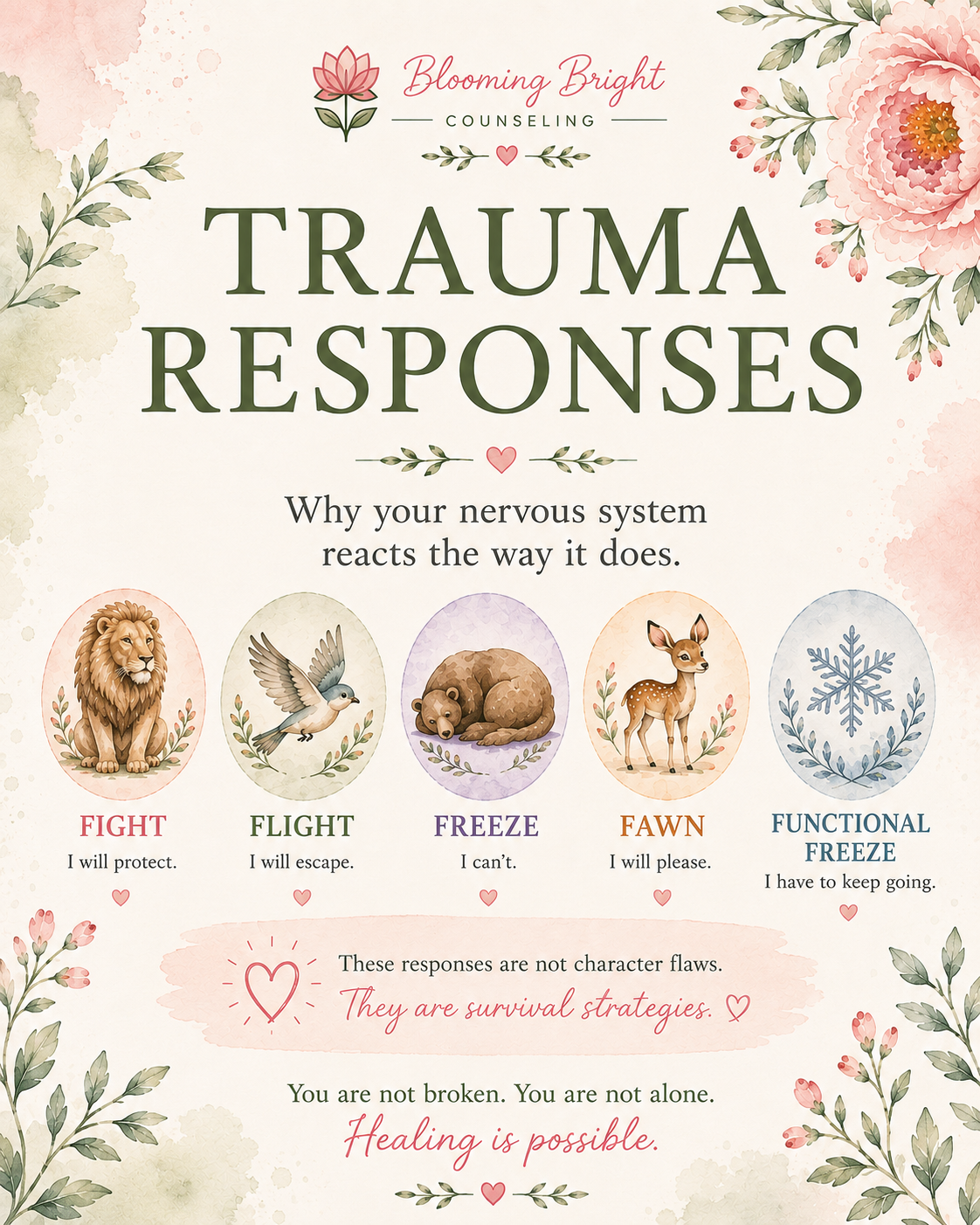
The 5 Trauma Responses: Why Your Nervous System Does What It Does
Ever wonder why you react so differently than other people under stress?
Your nervous system may be responding exactly as it was designed to.
Fight, Flight, Freeze, Fawn, and Functional Freeze are all survival responses that develop when our brains and bodies perceive danger.
These responses are not character flaws.
They are adaptations.
The beautiful thing about the nervous system is that it can change.
Through nervous system regulation, EMDR, Somatic Experiencing, and safe relationships, healing is possible.
Signs Your Nervous System Might Be Holding Trauma (And What Helps)
Trauma responses don't always look dramatic.
Sometimes they look like overworking, people pleasing, exhaustion, anxiety, numbness, or chronic tension.
Your nervous system learned these responses for a reason.
Healing isn't about forcing yourself to "get over it."
It's about helping your body learn safety again.
How Trauma Affects the Brain
If you've ever wondered why you react so strongly to certain situations, your brain may be doing exactly what it learned to do during difficult experiences.
Trauma affects more than memories—it can shape emotions, relationships, focus, and even physical health.
The good news? The brain remains capable of healing throughout life.
🌿 Healing begins with understanding.
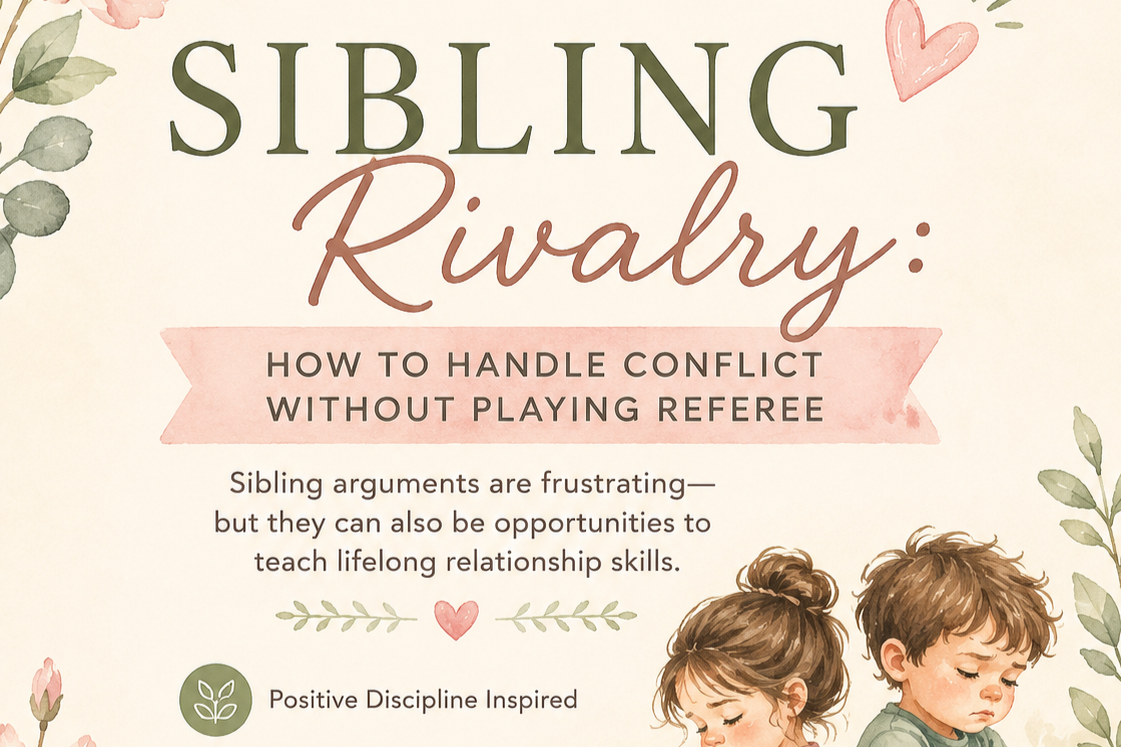
Handling Sibling Rivalry: Building Connection Instead of Competition
If you have more than one child, you've probably heard some version of:
"That's not fair!"
"She always gets more than me!"
"He's touching my stuff!"
"Mom! Tell her to stop!"
Sibling conflict is one of the most common parenting challenges, and it can be exhausting. Many parents find themselves stuck in the role of referee, constantly stepping in to solve disputes, determine who is right, and restore peace.
The good news? Sibling rivalry doesn't mean your children dislike each other, and conflict isn't a sign that you're failing as a parent.
Meltdowns vs. Tantrums: Understanding the Difference (and How to Respond)
To an outside observer, meltdowns and tantrums can look similar.
But underneath the surface, they are very different experiences.
Understanding the difference can shift how you respond—and how your child feels.
Co-Regulation: Helping Your Child Feel Safe Before They Can Self-Regulate
If you’ve ever been told your child just needs to “calm down on their own,” you might have felt stuck, frustrated, or even like you were doing something wrong.
But here’s the truth: Self-regulation is not the starting point…Co-regulation is.
Before children can manage their emotions independently, they need repeated experiences of feeling safe, supported, and understood—with you.

Parenting Through the Summer: Finding Rhythm When Routine Shifts
Summer doesn’t have to mean chaos or constant structure battles.
For many families, especially those supporting neurodivergent or trauma-impacted children, summer is a nervous system transition—not just a schedule change.
What helps most is not perfect planning…
but predictable connection points, flexible rhythm, and space for repair.
You don’t have to make every day structured or special. You just need enough rhythm to feel grounded—and enough connection to come back together when things feel hard.
🌿 If this season feels overwhelming, you’re not alone in that experience.

Simple Body-Based Practices to Release Stress (Even If You Hate Mindfulness)
If mindfulness has ever felt frustrating, inaccessible, or just not for you—you’re not alone.
For many neurodivergent individuals, traditional stillness-based practices can actually increase stress.
The good news:
Regulation doesn’t have to be quiet or still.
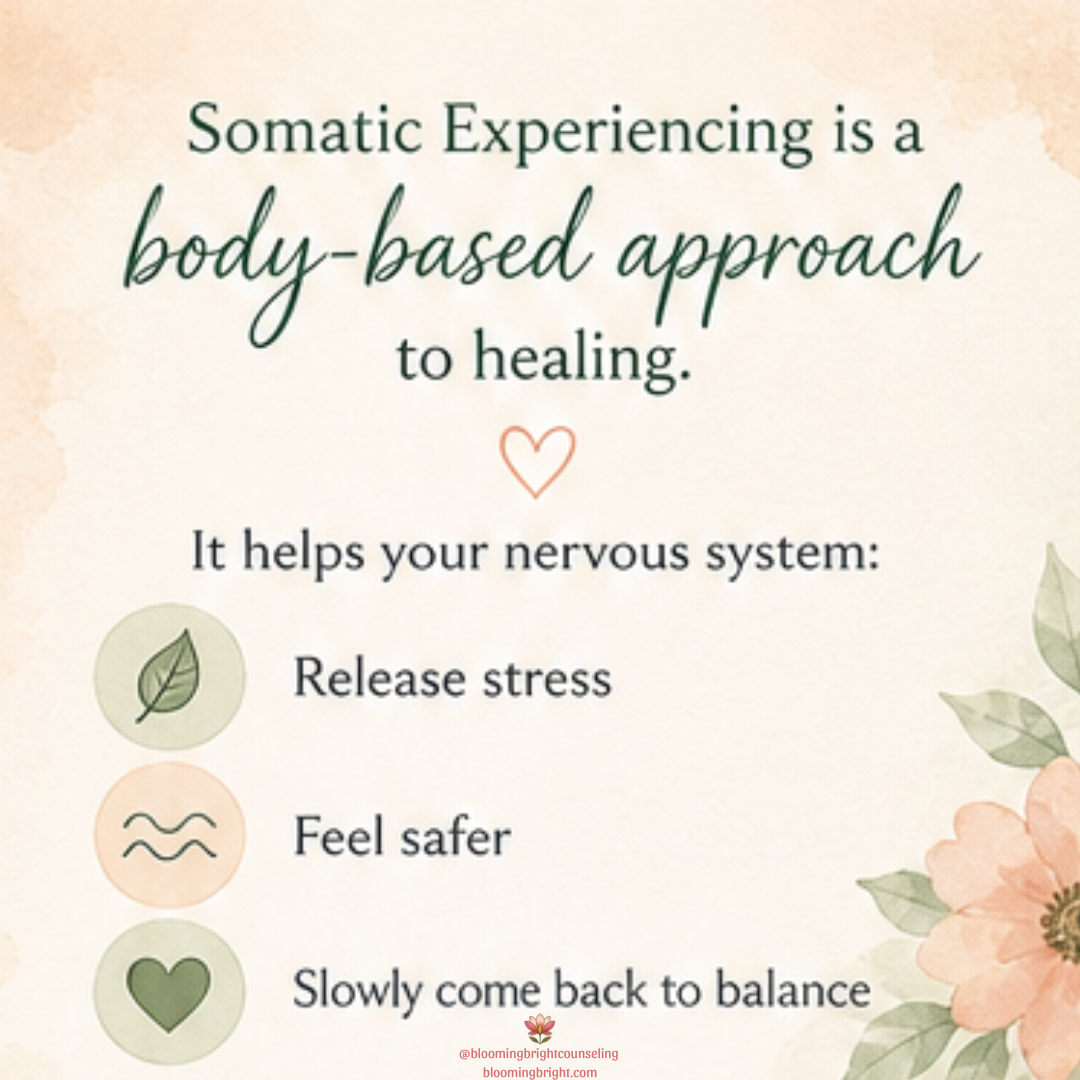
What Is Somatic Experiencing — and Why It Helps Neurodivergent Nervous Systems
If you’ve ever been told to “just calm down” or “think positive,” and it didn’t help—there’s a reason.
For many neurodivergent individuals, healing doesn’t start in the mind.
It starts in the body.
Somatic Experiencing is a gentle, body-based approach that helps you reconnect with your nervous system, release stored stress, and feel safer in your own body—without needing to relive overwhelming experiences.
Active vs. Resting Coping Skills: What Your Nervous System Actually Needs
Sometimes the goal isn’t to “cope better.”
Sometimes the goal is to do less, feel safe, and let your nervous system breathe.
If you’ve ever felt like coping skills don’t work—or even make things worse—you’re not doing it wrong.
You might just be using the wrong type of coping for what your body needs in that moment.
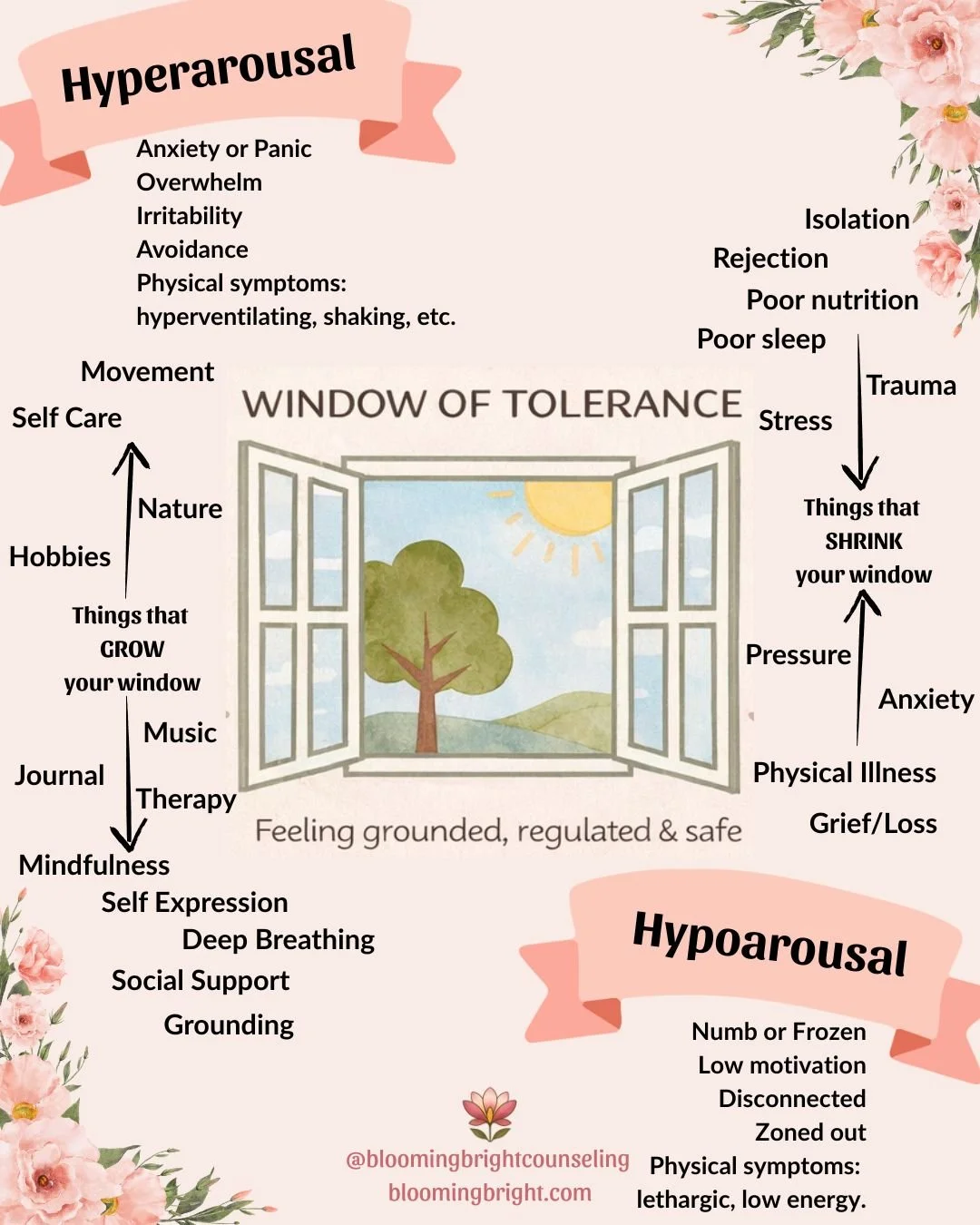
How to Gently Expand Your Window of Tolerance Over Time
At Blooming Bright Counseling, we believe healing doesn’t happen through pressure—it happens through safety, consistency, and compassion.
If you’ve learned about the Window of Tolerance, you might be wondering:
👉 Can my window actually grow?
👉 Will things always feel this intense?
The answer is: yes, your window can expand—gently, slowly, and in ways that honor your nervous system.
Understanding the Window of Tolerance
Understanding the window of tolerance shifts the question from:
❌ “What’s wrong with me (or my child)?”
➡️ to
✅ “What does this nervous system need right now?”
That shift changes everything.